The Ledger

The Ashmarch Archives

Every soul here owes something. Set down beside each name: what they are owed, what they owe, and where they stand with the Crown and the Order.

From the archives

Those Who Carry It

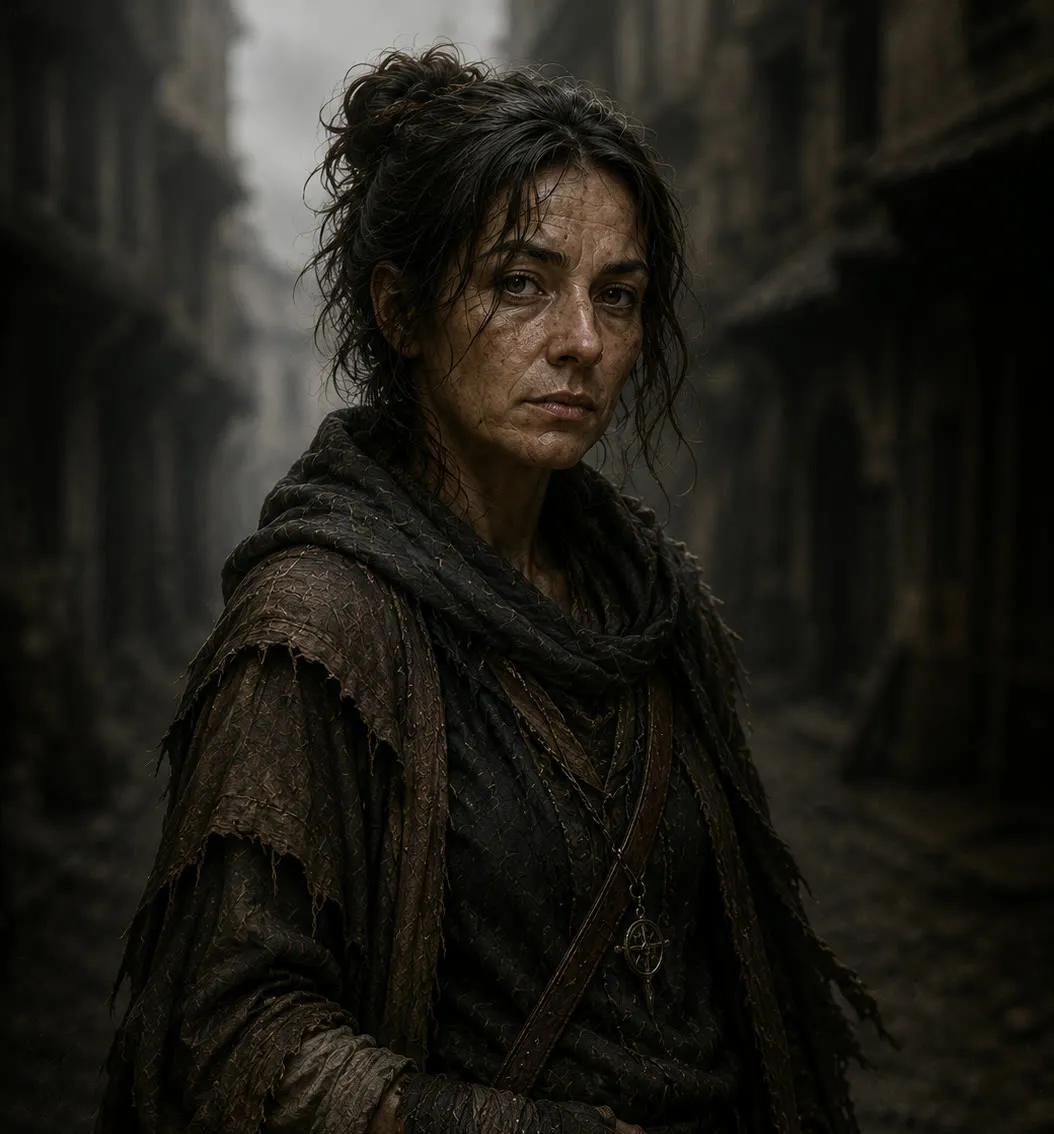
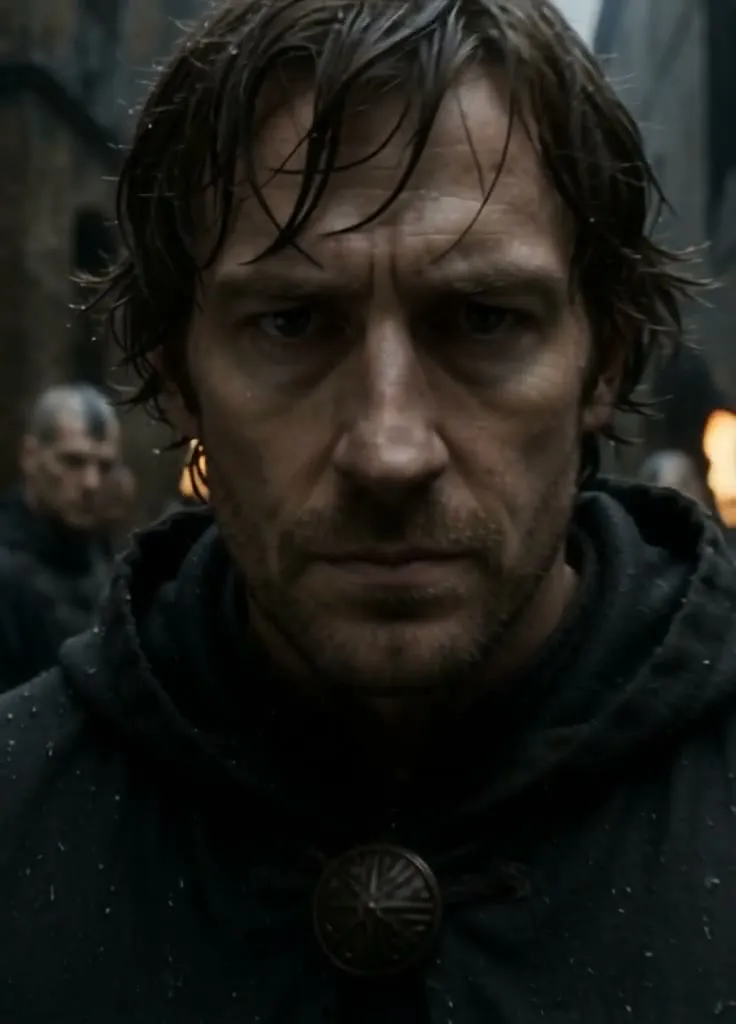
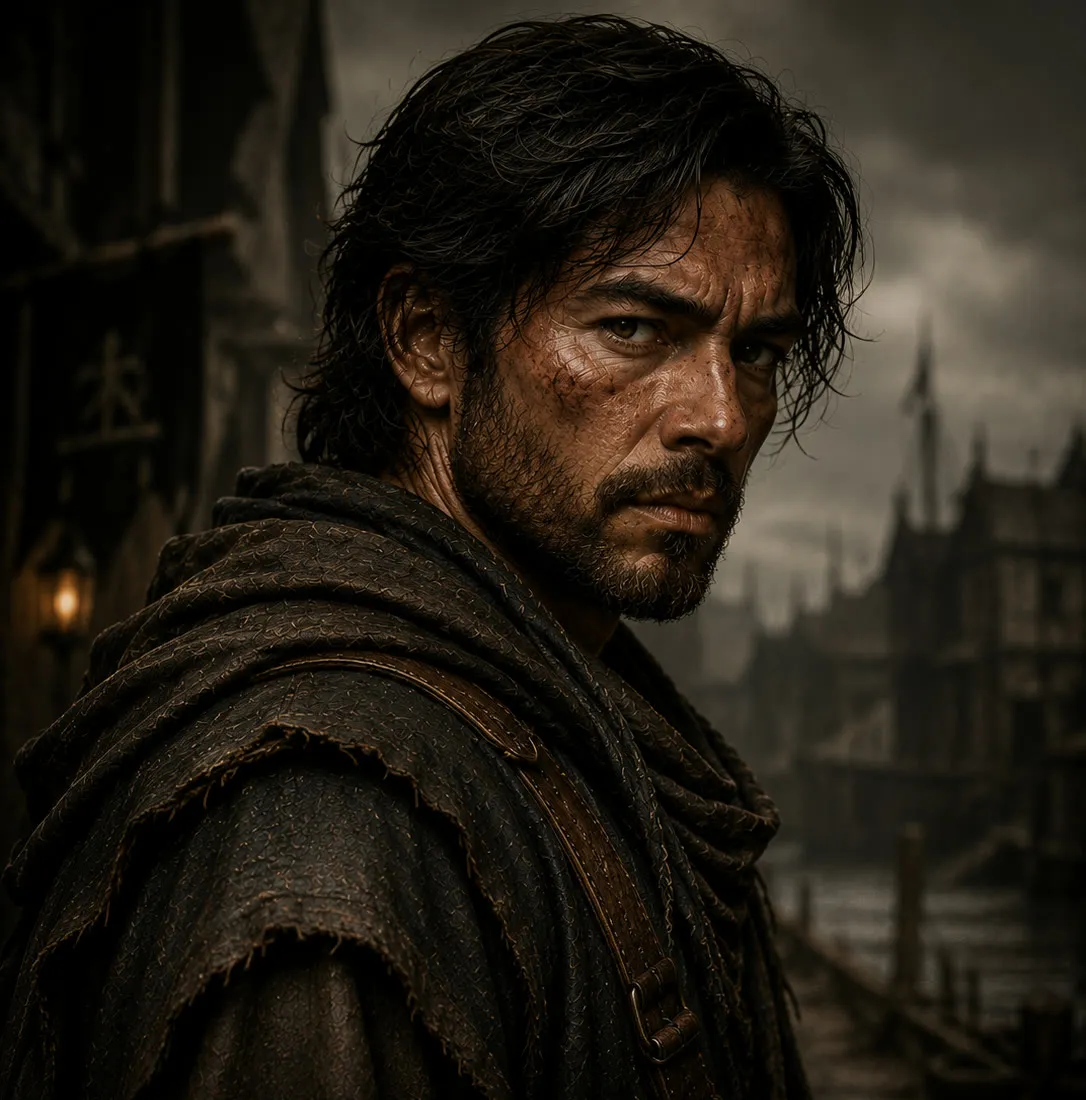
Corvin Melcham, painted portrait

Corvin Melcham

“A man’s worth is what he does when no one’s watching.”

Owed
Nothing he would ask for. Commander Vey would say Corvin owes him silence, which is a different thing.
Owes
By Bricce’s arithmetic, a great deal. A man who has taken as much as Corvin has owes the world something built before he is allowed to leave it.
Standing
A trader on the road, a soldier by trade before that. Wanted by the Crown’s commander, unknown to the Order, and carrying more than he has told anyone.
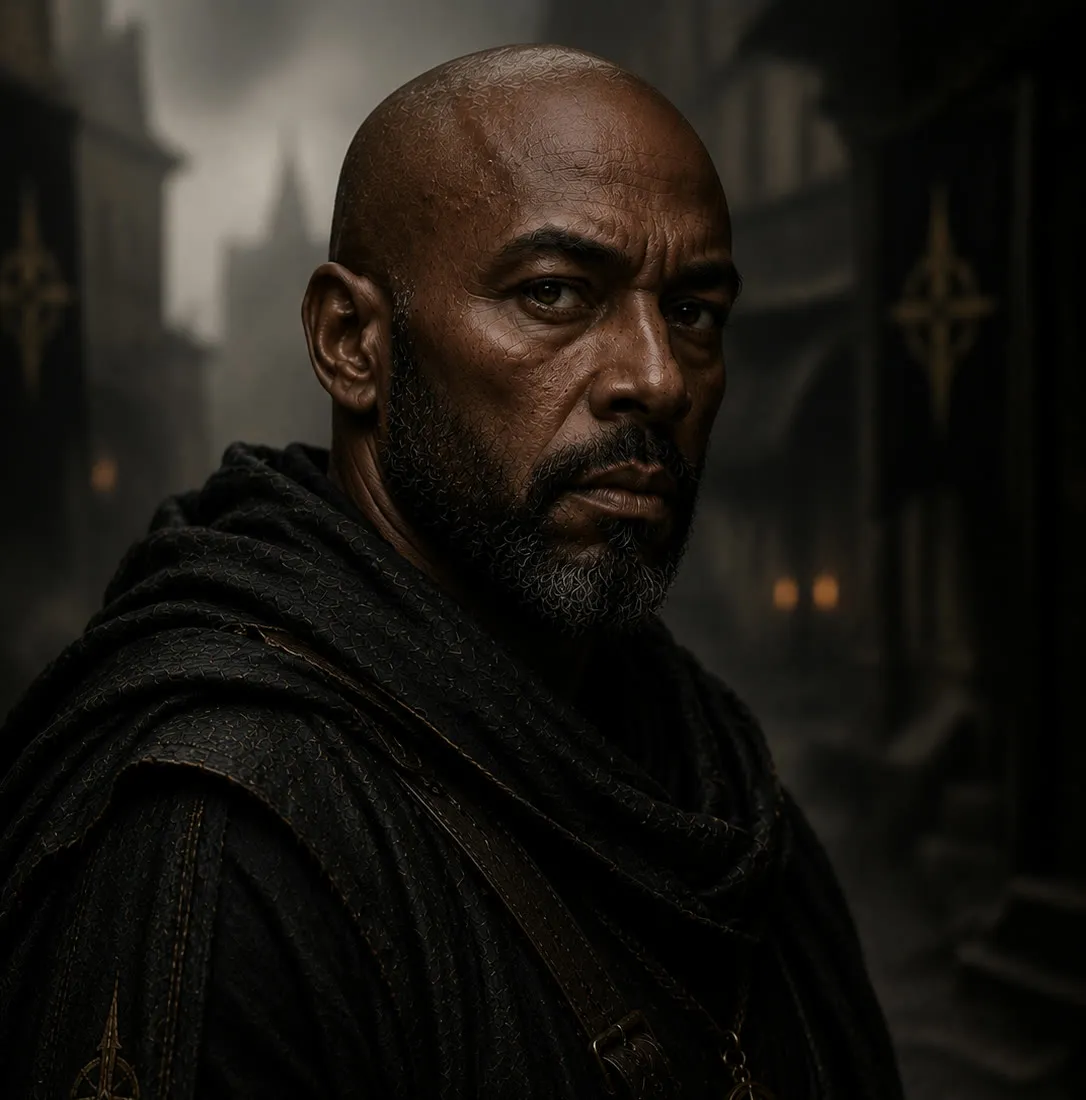
Ravi Olten, painted portrait

Ravi Olten

“Better to ask a question than to live with a lie.”

Owed
An honest answer from the Order he served, about why it cast him out and what it is really for.
Owes
By the Order’s reckoning, his surrender and his life. By his own, a debt of gratitude to whoever helps him stay alive long enough to see them clearly.
Standing
Excommunicate and heretic. Hunted by the men he once knelt beside, and wise enough to know that being right will not save him.
Kasia, painted portrait

Kasia

“We carry them with us. That is how they live on.”

Owed
An apology from a horseman who never slowed down, and a son who ran for a single jat.
Owes
Nothing to anyone, or so she has told herself for a long time.
Standing
No one’s widow, no one’s mother, no one’s subject in any way that matters. A woman with nowhere to be, which is a kind of freedom she never asked for.

Who is right?Who is wrong?

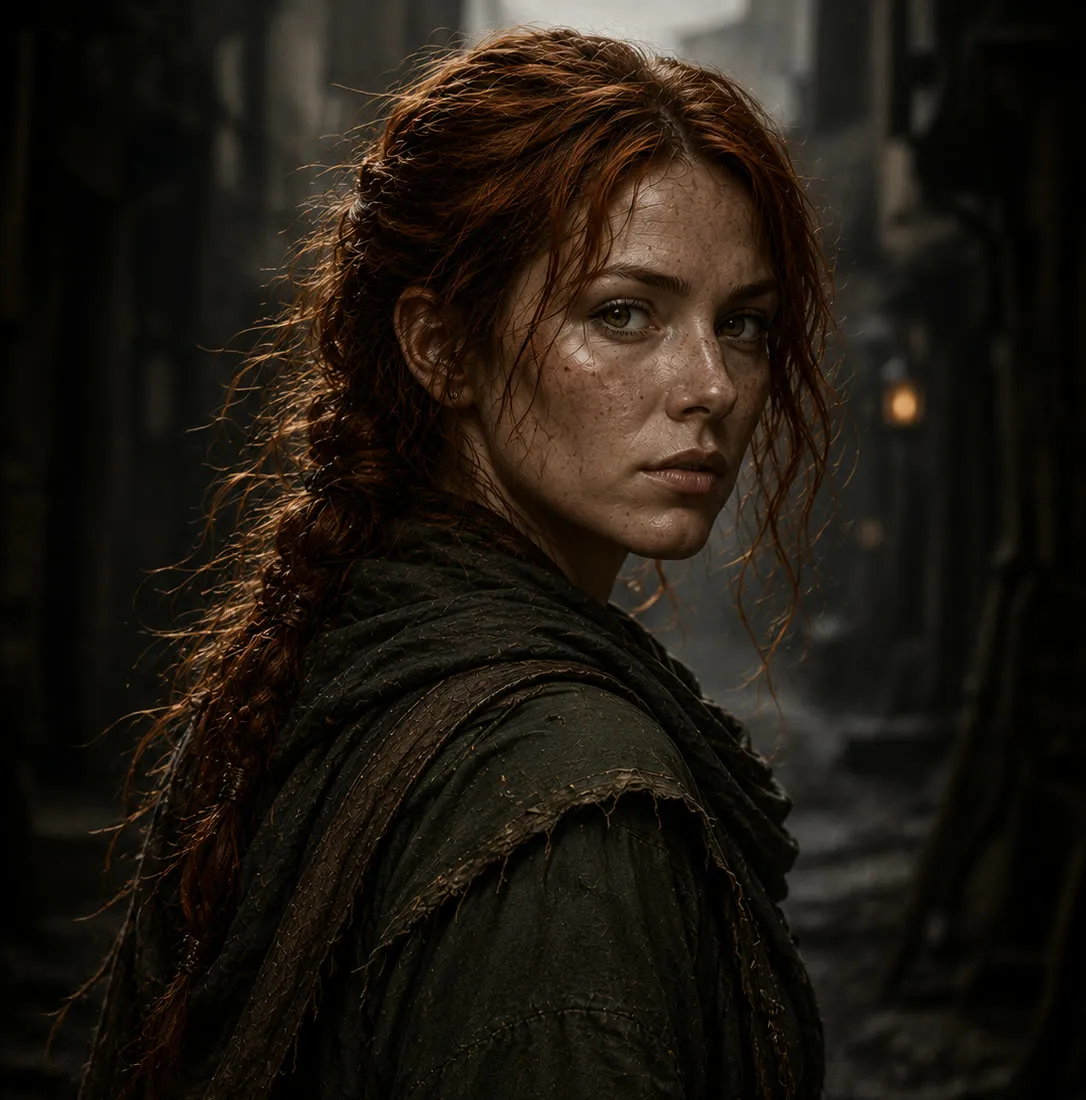
Fira, painted portrait

Fira

“Information is the sharpest blade.”

Owed
Her sister, Florin, eighteen years lost.
Owes
A debt she incurs on the first day she meets the others, and the larger one she believes she owes Florin for letting go.
Standing
A thief who can pass for a lady and a lady who was raised a thief. The Crown would take her hands, the Order has no interest in her, and she would trade either of them for one true word about a red-haired girl.
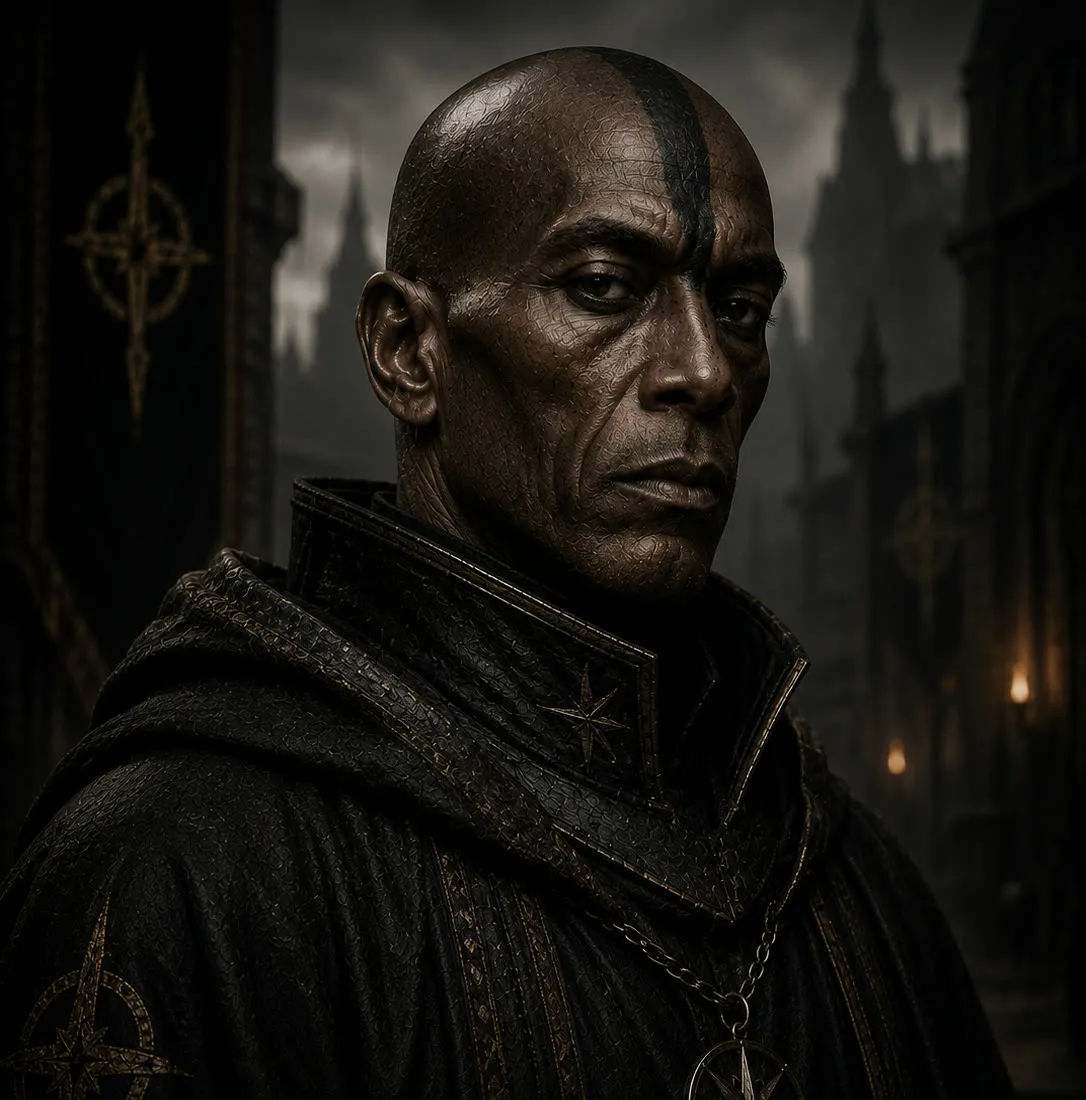
Distren, painted portrait

Distren

“Certainty without truth is the greatest sin of all.”

Owed
Obedience, from the excommunicate he was sent to end, and the reverence his black star has always earned him.
Owes
The Order everything. Ravi, once, a friendship he no longer admits to.
Standing
An inquisitor of the Lucent Order, which answers to no crown, and a man who has long since stopped asking whether the work is right.
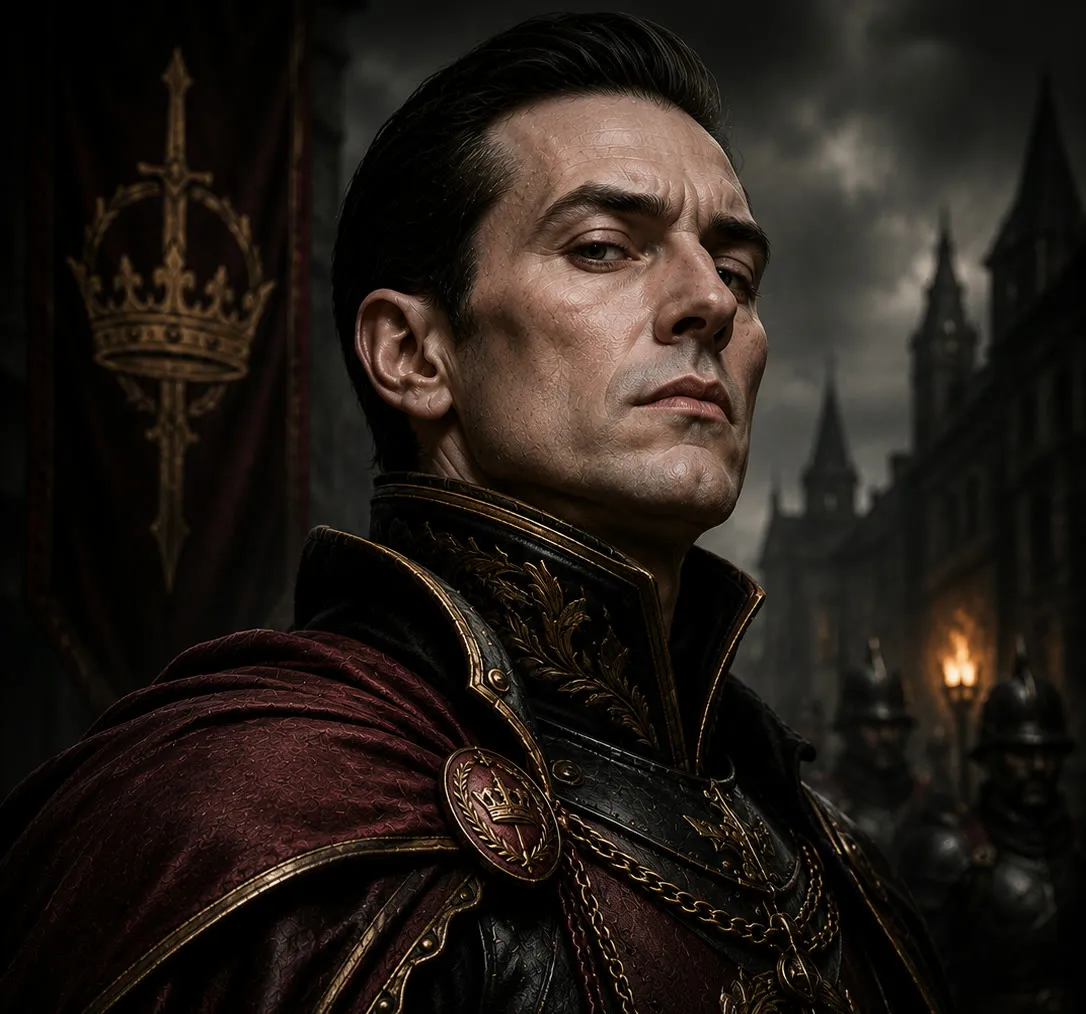
Commander Vey, painted portrait

Commander Vey

“Loyalty is a currency for fools. I invest in certainty.”

Owed
Years of payment the Crown never made, as he reckons it, and he collects it in other men’s wine and other men’s rooms.
Owes
Nothing he would admit to. Guilt, he decided long ago, is for men who believe they did not earn what they took.
Standing
A royal commander in good standing with the Crown, impatient with the Order’s black stars, and keen to see one particular trader in the ground before he talks.

You choose.

Choose one. You can change your mind later.

Meet the cast

The Lucent Order

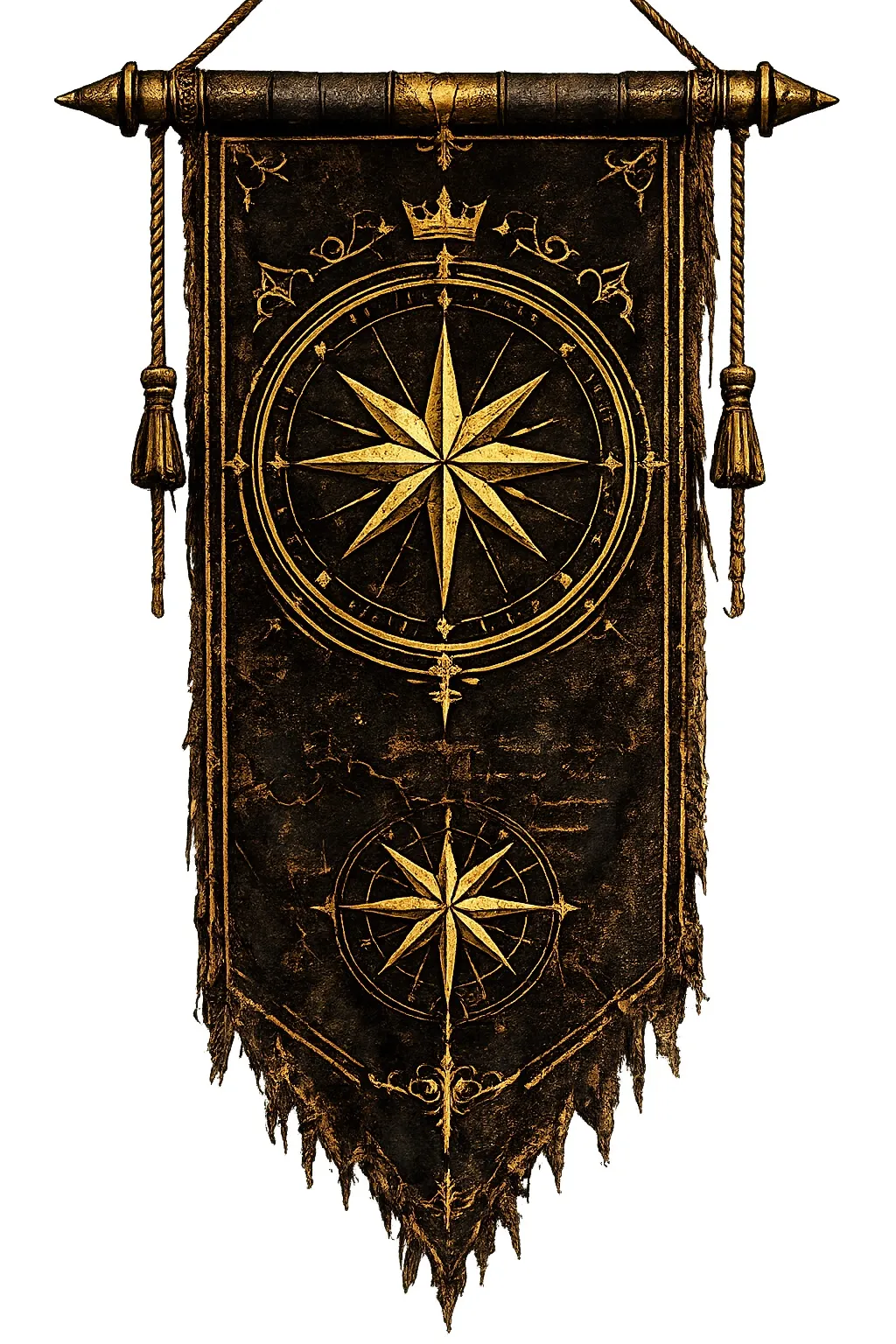
The Lucent Order keeps the faith of two gods: Auraeth, who is seen, and Nyxara, who is not. Its mark is an eight-pointed star, black edged in silver, and it asks of the faithful only what is owed — a measure of grain at harvest, a name set down in the ledger, a debt remembered long after the one who owed it would rather forget.

Its word travels ahead of it: the initiate who carries the writ, the monk who counts the sacks, the inquisitor whose iron is heard before he is seen. Where certainty must arrive first, the Order sends the Reforged Severn, who wear no mark and need none. Above them keep the Mothers, who hold what is written, and the Arch Priest, whom almost no one living has seen.

It answers to no crown. It asks only what is owed. It has become difficult to remember who first decided the amount.

  1. Unseen

    The Arch Priest

    Whom almost no one living has seen.

  2. Those who hold what is written · those who arrive first

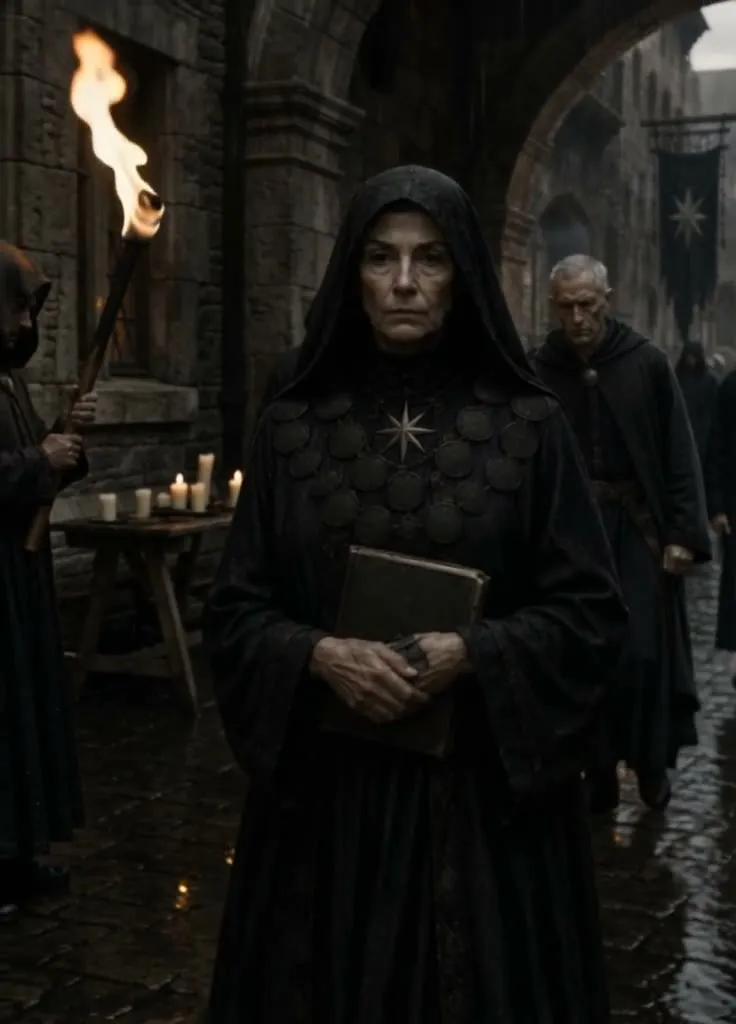
    A Mother of the Lucent Order in a floor-length black habit

    Mother

    Solerne

    “A Mother may command inquisitors, judge the faithful, and speak before kings. She may not become Arch Priest. Some doors are built to remain closed.”

    The black habit reaches the floor, hiding every step beneath its hem. At her collar, the Order’s black star is worked in richer thread, flanked by iron discs blackened until they catch almost no light. She receives confessions, weighs accusations, and decides which rumours deserve an inquisitor’s time. Younger brothers bow when she passes. Older ones do not always remember to hide their disappointment.

    Owed
    The office above hers.
    Owes
    Nothing she has not already paid.
    Standing with the Crown
    Resented.
    Standing with the Order
    Feared.

    They say in Brackwater that a Mother can condemn a village without ever setting foot inside it. Brackwater says a lot of things.

    She closed the ledger before anyone else reached the room.

    One of the Reforged Severn walking ahead of shaven monks

    The Reforged Severn

    Solerne

    “He was asked once what the Mother would do if he died for her. ‘Continue,’ he said.”

    He wears no mark beyond the black habit and the blackened iron of his rank, yet inquisitors step aside without being told. He goes where a Mother’s word must arrive before the Order itself, and leaves before anyone remembers asking his name. He carries no illusion that loyalty is returned in equal measure. The Reforged Severn are not taught to expect gratitude. They are taught that certainty asks a price, and that someone must pay it.

    Owed
    Nothing.
    Owes
    A debt he settled long ago, though he keeps paying it.
    Standing with the Crown
    Feared.
    Standing with the Order
    Owned.

    They say in Hollowfen that a Mother already knows which of the Reforged Severn she will spend. Hollowfen says a lot of things.

    When the insult was given, he took one step forward.

  3. Those whose word travels ahead

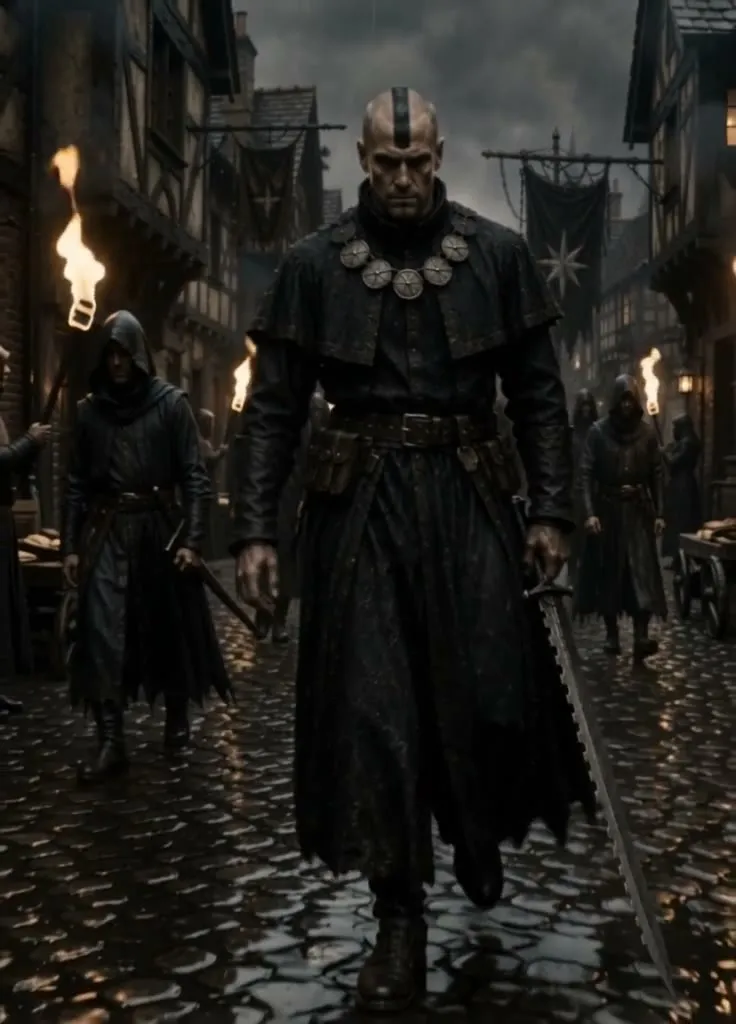
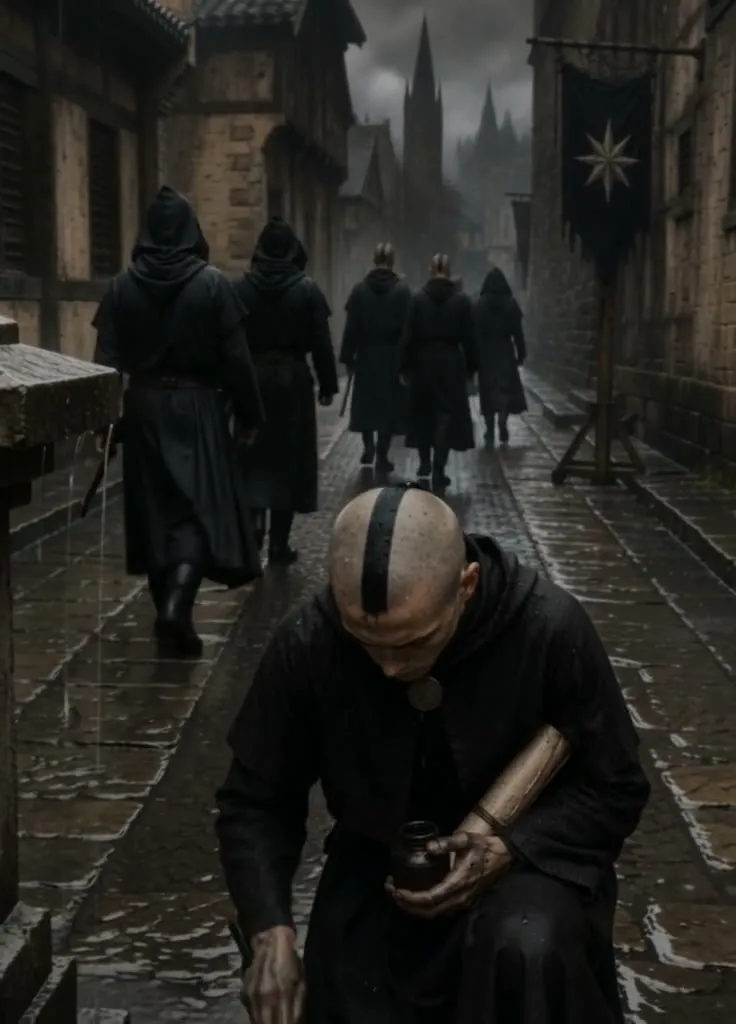
    The Inquisitor walking a wet street, serrated blade in hand

    The Inquisitor

    Brackwater

    “You hear him before you see him. The iron tells you to stop running long before the man does.”

    His scalp is shaved save for the black stripe that marks his oath, and the iron discs at his collar strike together with every step. Children fall quiet at the sound. He has carried the Order’s writ through villages that no longer remember why they first feared it. His blade is finely serrated, though the edge has long since been allowed to dull. A clean wound ends quickly. The Order has little use for quick endings.

    Owed
    Three months’ stipend from the Lucent Order. It has not arrived.
    Owes
    A widow in Hollowfen whose door he broke because the warrant bore the wrong name.
    Standing with the Crown
    Resented.
    Standing with the Order
    Useful.

    They say in Grist that the discs at an inquisitor’s collar are cut from the coin of everyone he’s taken. Grist says a lot of things.

    The iron clanked once more, and someone inside slid the bolt across the door.

    The Initiate, head bowed, holding a small pot

    The Initiate

    Solerne

    “The first thing they shave is your hair. The last thing they take is the question.”

    His scalp bears the black stripe of the Order, though the skin still shows pale where the razor first passed. The iron disc at his collar is small enough to mark his rank and heavy enough to remind him he has one. He copies writs, scrubs blood from stone, and follows older inquisitors without speaking unless spoken to. They tell him obedience becomes easier with time. The older men say that about everything.

    Owed
    An answer to a question he stopped asking.
    Owes
    A letter to his mother that grows shorter each time he tries to write it.
    Standing with the Crown
    Resented.
    Standing with the Order
    Owned.

    They say in Hollowfen that initiates are chosen because they have nothing worth returning to. Hollowfen says a lot of things.

    When the bell rang, he stood with the others, though he was the last to move.

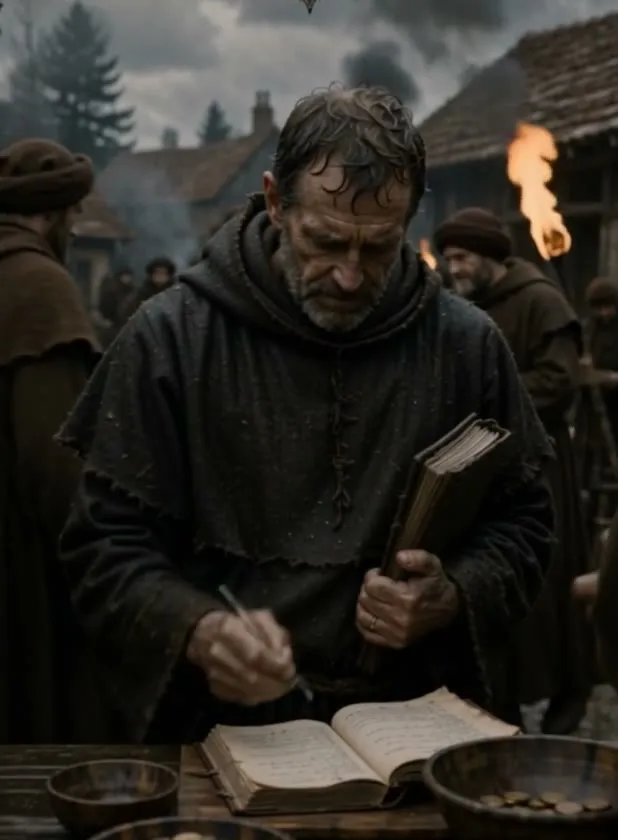
    The Tithe-village Monk knocking at a farmhouse door, ledger under his arm

    The Tithe-village Monk

    Hollowfen

    “The Order asks only what is owed. It has become difficult to remember who first decided the amount.”

    His robe is plain black wool, faded brown where the sun reaches it. There are no iron discs to announce him and no blade at his belt. He keeps the ledger, blesses the marriages, buries the dead, and counts the sacks brought to the tithe barn each harvest. Most years he takes less than the writ demands. Most years he writes the missing measure against his own name and hopes no inquisitor ever asks why.

    Owed
    A harvest that did not fail.
    Owes
    Three measures of barley to the Order, entered in his own careful hand.
    Standing with the Crown
    Forgotten.
    Standing with the Order
    Useful.

    They say in Grist that the poorest monks always keep the neatest ledgers. Grist says a lot of things.

    He knocked once, then waited for the sound of someone pretending not to be home.

The newsletter